Showing posts with label Noble grapes. Show all posts

Pinot Grigio or Pinot Gris?


What is the difference between Pinot Grigio and Pinot Gris? I hear this a lot. To most people, Pinot Gris is a mispronunciation of their favorite white wine, while to others Pinot Grigio refers to a simple wine from Italy. Both would be wrong, so this week, we’ll take a look at one of the fastest growing (in popularity) white wines: Pinot Gris.

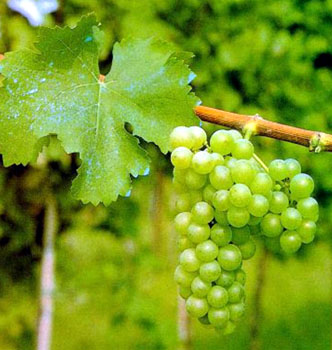
Because of the two names, Pinot Gris has a bit of an identity crisis, and that is not the only thing that confuses people. What may come as a surprise to most wine drinkers is that Pinot Gris doesn’t come from a white grape. To look at it on the vine, you would think it should make red wine. In one of my earlier blogs, I had suggested that this grape be included in the list of Noble Grapes. This is due to its heritage, and its ability to make a variety of styles…not to mention that it can be grown in a number of regions.

Pinot Gris is thought to be a mutant clone of the Pinot Noir variety. It has a long history in eastern France, and has traveled throughout Europe before settling into the current growing regions. The word “Pinot”, which comes from the French word meaning "pine cone". “Gris” means gray in French, and comes from the grayish-blue berries that grow on the vine (but the grapes can also have a brownish pink color). 

Recent DNA research has shown that Pinot Gris has a similar DNA profile to Pinot noir and that the color difference is derived from a genetic mutation. The leaves and the vines of both grapes are so similar that the coloration is the only aspect that differentiates the two. Given the close relationship between Pinot Gris and Pinot Noir, it is not surprising that the two varieties act in similar ways in the vineyard. The gray version prefers reasonably fertile, mineral-rich soils with good depth and a cooler, temperate climate. In warmer regions, Pinot Gris can produce a flabby, oily texture in the mouth from low acidity combined with high alcohol.  Pinot Gris matures relatively early with high sugar levels. This can lead to either a sweeter wine, or, if fermented to dryness, a high alcohol wine.

Pinot Gris has been known since the Middle Ages and is thought to have originated in the Burgundy region. At that time, it could be found, interplanted with Pinot Noir, and was often blended with the red wine to soften it.  It spread from Burgundy, along with Pinot noir, by the Cistercian Monks, who planted vines in Hungary. Later, it found its way to Germany, where it was known as Ruländer (or Grauburgunder). But the greatest success for Pinot Gris may be in Alsace, France, and in Italy, where it is known as Pinot Grigio. Italy takes the prize for having the most extensive plantings of the grape.

Italy‘s Pinot Grigio is a fixture in the northeast of the country with good, and occasionally exceptional wines, produced in Friuli-Venezia Giulia and Trentino. The Veneto and the Alto Adige are also widely planted to Pinot Grigio, and it is in these regions that great quantities of easy-drinking, inexpensive wine are produced.

The Pinot Gris of Alsace, however, makes a more serious wine, with medium to high alcohol and low to medium acidity. The wines are typically dry (excepting, of course the late-harvested and botrytis-affected wines) but discovering some residual sugar is not at all uncommon.

Just as its heritage might indicate, Pinot Gris is similar to Pinot Noir, in that the terroir has relevance to the final product. There are two dominant styles of wine produced from the grape—one deeply colored and full of body, and one much paler, lighter, and higher in acid. Italian growers typically harvest when their Pinot Grigio is less mature physiologically, before sugar levels get too high and acids get too low. In Alsace, the grape is left on the vine longer, not only to increase sugar and reduce acidity, but to allow for the development of flavors in the grape. Yields, as well, are typically higher in Italy than in Alsace.

Pinot Gris is a versatile grape, capable of making high-quality white wines of varying sweetness levels, of contributing to sparkling wines in some regions, and even of withstanding and improving under the influence of barrel maturation and time. But, the dominant approach to Pinot Gris is to ferment the juice in inert vessels like stainless steel after a careful pressing that is designed to minimize contact between the juice and the skins. Cool fermentation follows, and bottling is done soon after fermentation to preserve the fresh aromas of the wine.

Some producers have strayed from the “standard recipe” to achieve greater complexity, deeper color, and greater potential for ageing. Brief skin contact during pressing can give the wine a deeper color—anywhere from a brassy yellow to a salmon pink. Even barrel fermentation or maturation is being explored, adding aromas we associate with oak and controlled oxidation.

Based on the vineyard methods and winery practices, the aroma of Pinot Gris will vary. Paler and lighter-bodied examples of the wine often display subtle apple or pear aromas while darker, fuller-bodied examples have a much more complex set of aromas including apricot, peach, musk, and honeysuckle. 

Outside of France, Italy and Germany, Pinot Gris has met with mixed results, and though there are plantings in most countries, it is Oregon and California that have had some success.  In Oregon the wines are medium bodied with a yellow to copper-pink color and aromas of pear, apple, and/or melon. In California, the Pinot Gris is more light-bodied, with a crisp, refreshing taste and some pepper and arugula notes.

Pinot Grigio is considered an "early to market wine" that can be bottled and out on the market within 4–12 weeks after fermentation. 

If you like Pinot Grigio, then you might also like Albariño, Silvaner, or Chenin Blanc.

Noble Grapes

I've used the term "Noble Grapes" over the years, but without much explanation of its' use. What is a "noble grape" and why is it important to know about them?

Noble grapes are a term used to describe the international variety of grapes that are most recognizable for the top quality wine they produce. These varieties have principal growing regions, where they are notable for the expression of the local "terroir", but can be grown in other areas with success. Knowledge of the characteristics of each noble grape variety helps the taster establish a personal relationship with the individual grape and wine. Knowing how it behaves in the vineyard, helps to determine the potential of a vintage (as long as you watch the weather conditions during the growing season).

It is generally accepted (with some argument) that there are only 7 noble grape varieties. For white wines, they are Chardonnay, Sauvignon Blanc, Riesling. Red wines: Cabernet Sauvignon, Pinot Noir, Merlot, and Syrah. Funny how they are all French! In France, they are referred to as "cépage noble".

As the new world expands vineyard plantings, we are seeing a growth in experimentation, and the list of grapes is growing. Consumer recognition has grown beyond those original 7 noble varieties. So, I would suggest that the following grapes should be added to that list: Whites: Chenin Blanc, Gewurztraminer, Muscat, Pinot Gris (or Grigio), and Semillon. Reds: Cabernet Franc, Zinfandel, Gamay, Grenache, Mourvedre Tempranillo, Sangiovese, and Nebbiolo. That would bring our total to 20 noble grape varieties that consumers recognize around the world, as making top quality wines.

I have discussed some of these grapes in previous articles, and have included links to those blogs. At this point, I will concentrate on the original 7 noble grape varieties, and some of their main characteristics:

Chardonnay:
In the vineyard: Early bloom, early ripening, thin skinned.
In the winery: Takes well to oak aging, easily manipulated. Juice is neutral to apple scented. MLF* common.
Notable regions: Burgundy, Champagne, So America, Australia, California
Wine aromatics: Apple, pear, vanilla fig, pineapple, melon, citrus, lemon, honey, butter
On the palate: Cool climate - zesty with med to high acid, medium body & alcohol. warm climate - low to medium acidity, medium to high alcohol with a "round" or "fat" body.

* MLF refers to Malolactic Fermentation

Sauvignon Blanc:
In the vineyard: Late budding and early ripening.Challenging to grow, due to tight bunches and tender skins.
In the winery:Usually avoid oak and MLF to emphasize acidity and natural flavors, but California versions (known as Fume Blanc) have oak aging and some MLF.
Notable regions: Loire, Bordeaux, New Zealand, California, Italy, Chile, So. Africa and Canada
Wine aromatics: Distinct vegetal aromas of cut grass, asparagus,or green pepper, plus fruit notes of honeydew, grapefruit, gooseberry, green fig, and lemon or lime. Some also contain a "cat's pee" and mineral scents
On the palate:High acidity, light to medium body, and medium alcohol.


Riesling:
In the vineyard: Early budding and late ripening. Exceptionally hard wood, small compact clusters
In the winery: Stainless steel fermentation to preserve floral and fruit notes. No MLF. Can stop fermentation for sweeter versions, or ferment dry. Tremendous aging potential
Notable regions: Germany, Alsace, Italy, Austria, Australia, United States and Canada.
Wine aromatics: Young-lemon, lime, peach, minerals, beeswax and flowers. Older - gasoline, petrol. Dessert - apricot, honey, raisins, baked apple and peaches.
On the palate: High acid. Can be dry to fully sweet. Low to medium alcohol.


Cabernet Sauvignon:
In the vineyard: Late budding and late ripening.small, thick skinned berries in loose bunches
In the winery: Long maceration period due to high phenolics. Takes well to new oak, works well in blends.
Notable regions: Bordeaux (left bank), Napa CA, Washington, Coonawarra Australia, Italy, Spain, So .Africa, and Chile
Wine aromatics: Cassis (black current) blackberry, black cherry, mint/eucalyptus, green bell pepper. Oak aging can add smoke, toast, tobacco, and vanilla.
On the palate: Dry. Medium to full tannins, acidity, body and alcohol.


Pinot Noir:
In the vineyard: Buds early and ripens early. Thin skinned, and easily mutates. Delicate and demanding
In the winery: Cold soaking is required to extract color and tannins. Very delicate. Used oak barrels.
Notable regions: Burgundy, Champagne, Oregon, California, New Zealand, Chile
Wine aromatics:Cherry, strawberry, plum, raspberry, gamey, leather, mushrooms, "barnyard funk"
On the palate: High acid and juicy. Moderate tannins, bright red fruit character, silky texture.


Merlot:
In the vineyard: Easy to grow. Early budding and early ripening. Large deep colored berries in loose clusters
In the winery:High pigment, but fragile acids. Takes to new oak. In blends, adds suppleness, color, and richness
Notable regions:Bordeaux (left and right bank) Italy, California, Washington, Australia, So Africa, Chile
Wine aromatics:Black fruit, plums, cherries, fig, brown spices (nutmeg & clove), chocolate, coffee, vegetal (if under ripe).
On the palate: Medium acidity and tannins, rich & supple mouth feel


Syrah:
In the vineyard: Late budding and mid ripening (can be fussy). Fairly easy to grow. cold hardy, but prefers warmth.
In the winery: Very versatile. Works with oak or stainless steel. Often blended. Can be made sparkling, still, fortified or rose.
Notable regions: Rhone, Australia (known as Shiraz), Paso Robles CA, Washington.
Wine aromatics: Raspberry, blueberry, blackberry, plum, black currant, violets,carnations, rosemary, tobacco, black pepper, smoke, leather, bacon, chocolate, eucalyptus (particularly in Australia)
On the palate: Brawny to soft. Moderate acidity with medium to high tannins. Full body.

There is some argument that the focus on noble varieties, at the expense of "obscure" local varieties has hurt the wine industry. I tend to agree. If you haven't seen the movie "Mondovino", you should rent it or buy it. It deals with the globalization of wine. If everyone made Cabernet Sauvignon, wouldn't that be boring? When native vines are ripped up and replaced my these noble grapes, there is a loss of the local expression and tradition. Discovery is part of the wine experience. So, enjoy the noble varieties, but continue to explore and enjoy the thousands of other grape varieties out there.