For 31 years, the Lake Arrowhead Rotary Club has been running the Lake Arrowhead Art and Wine Festival. A few years ago, they expanded the wine selection, by including a VIP tent with higher quality wines, music, and food. I have been working that tent since the beginning, and always find it to be a great opportunity to talk with wine drinkers, and "newbies", and see where the public is on wine knowledge and tastes. This year was no different.
Last Saturday and Sunday, I poured wine, and spoke to hundreds of wine drinking patrons at the Lake Arrowhead Art and wine Festival. While I am not a member of the Rotary Club, they have been very generous with helping to expose people to this wine blog, and have taken a keen interest in learning more about the world of wine.
The VIP tent had unlimited (unless you had too much) pours of various wines from Paso Robles and Contra Costa County. Steve Bowie, the wine broker in charge, chose wines from Pomar Junction, Tamayo, Cass Winery and Thacher Winery. The Lake Arrowhead Resort (Bin 189 restaurant) was in charge of the appetizers, and music was provided by local musicians and singers, along the lakeside. The temperatures were perfect for a weekend of art, music and wine. Mid 70's and a slight breeze, which increased as the day progressed.
I only had a few opportunities to escape the VIP tent and wander around, but the artwork, ceramics, photography, woodworking, and jewelry are always exceptional. People from all over the mountain, and those just visiting for the day enjoyed the mountain air, and the wine.
I spent the time pouring wines from all four of the VIP wines. Most of the time was spent pouring Cass Winery and Thacher. Both of these wineries are located in Paso Robles. Cass is on the east side of the highway, and Thacher is on the west side. We had similar wines for each, and it was an opportunity for tasters to try wines from different climates in the same region. The Mourvedre, GSM (Grenache, Syrah, Mourvedre blend) and Syrah went head to head. It seemed pretty evenly split on what style people liked. For me, the Cass seemed to beat Thacher on their Mourvedre and Grenache. Thacher was a clear winner with it's Zinfandel (the 2009 Triumvirate).
I am always interested in what people are looking for, when they are not overly familiar with wine. One of my observations is that many people asked for sweet wine. After some discussion , and having them try a few wines, what they are really looking for is a fruity wine. We did not have any sweet wines to serve, but the stainless steel fermented Cass Viognier, Cass Grenache, and Thacher Zinfandel were clear winners for those looking for something with fruit.
I also found that there is clear confusion about Rose and blended wines. In the case of the Rose, we only had one to serve, and the majority of people were not interested in trying it, thinking that is was a white zinfandel. Once I got them to try it, they were surprised, and usually came back for more. As for the blends, I probably poured less of these than the pure variety based wines. What I observed is that most people still go to wine varieties they understand. Even the Mourvedre and Grenache were foreign to most tasters.
As for questions people had, most had to do with food pairings, and what food would go best with the wines presented, but I did have long discussion with one woman who was having headaches after drinking red wine. We talked about sulfites, yeast, bacteria, tannins, additives, and finally histamines (which was most likely the issue).
I love talking about wine with people, particularly when they want to learn more. I love drinking wine with people, and hearing how they experience the wine. This weekend was full of both. So, next year, if you are looking for something to do on a nice June weekend, keep the Lake Arrowhead Rotary Art and Wine Festival in mind. And, maybe, we'll see you up here!
The Sommelier Update is an educational blog on wine, beer, spirits and food. It started in conjunction with the Arrowhead Wine Enthusiast club, but has rapidly gained an international following from those interested in learning, enjoying and having fun with food and wine. Weekly articles on advice, service, pairing ideas, recipes, education and consultation, from a Certified Sommelier and wine educator.
Winemaker Dinner at Casual Elegance
Last month I shared with you, the process involved in putting together a winemakers dinner. Well, after five years that dinner came together last night at Casual Elegance.
Two months in advance, the dinner had sold out, and anticipation of the event had built. The guests were scheduled to arrive for a 5-course meal paired with the wines for Dragonette Cellars. Obviously, the wines were a draw, but having John Dragonette there, to present his wines, and share his wine stories, added to the excitement factor.
Those of us involved with the winemaker dinner arrived well before the guests. Chef Kathleen was already there when I had arrived at 5:30. The stove and oven were already in production mode, and the staff had just finished arranging the tables. The red wines had been opened up hours before, and were poured into decanters to help aerate them. The boxes of Riedel glassware were opened, glasses washed and polished. John Dragonette showed up a few minutes after me, and was introduced to the staff, and he discussed his wines with all of them.
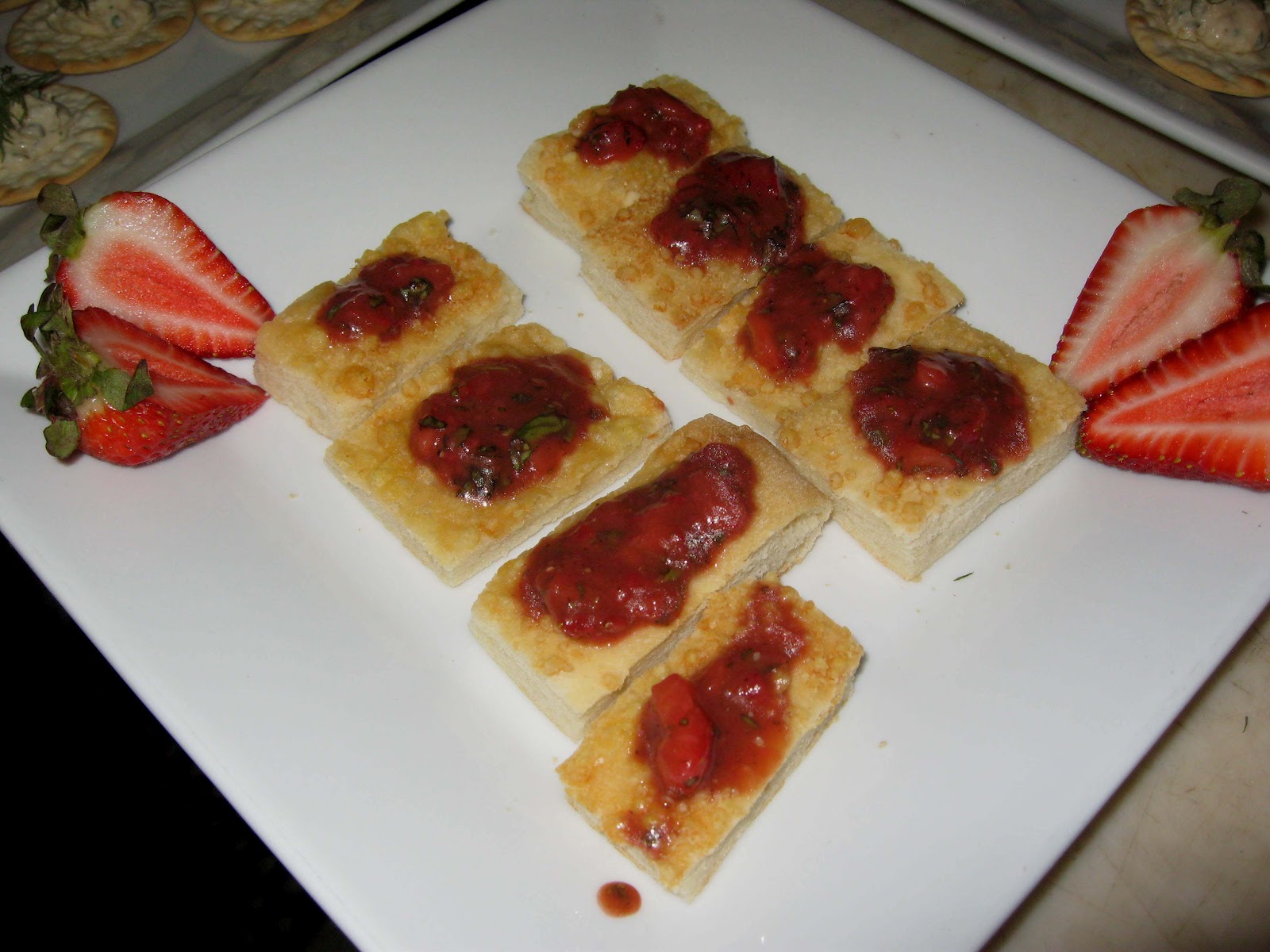
At 6;30, the guests started to arrive, and were presented with the first wine of the evening: Dragonette Cellars 2011 Rosé, Santa Ynez Valley. This was a wonderful, dry rose made of Grenache, Mourvedre and Syrah. The fresh strawberry and raspberry aromas worked well with the appetizers that were carried around by the service staff. They presented the guests with a Smoked Salmon Mousse on flat bread, and a second appetizer of Strawberry Foccacia.
By 7:00, the guests had found their seats at the table, and staff brought out bread baskets of fresh rolls and flat bread, accented with sprigs of rosemary. On cue, the guests were served the first course of the evening: a Roasted Shrimp and Goat Cheese Walnut Salad with Granny Smith Apples and Balsamic Dressing. This was paired with the Dragonette Cellars 2010 Sauvignon Blanc, Happy Canyon of Santa Barbara. The wine is a wonderfully complex and elegant Sauvignon Blanc, and not what you would expect if you are used to the austere style wines most associate with the grape. This Sauvignon Blanc is barrel aged with lees stirring, which adds a good amount of body to the wine, but maintains the expected acidity. A very nice pairing!
The second course of the evening was a little counter-intuitive. Normally, we would have moved to the Pinot Noir, but we chose to go with the 2010 Grenache, Mourvedre, Syrah, Santa Barbara County. This wine has a velvety smoothness to it, with hints of sweet spices, that just popped out of the glass, when paired with the Roasted Chicken and Apple Sausage, served with roasted Fennel and Grapes. Sometimes, pairings work well, and other times, they are fantastic. This was one of the best pairings I have had with wine...a real "wow". The cinnamon and spice in the sausage worked beautifully with the flavors of the predominately Grenache based wine.
The third course was grilled salmon filet with French Green Lentils and a Berry Thyme Sauce, and a side of grilled peach. This was paired with the 2010 Pinot Noir, Sta. Rita Hills. The wine is very full bodied for a Pinot Noir, and the berry aromas jump from the glass. There was a lot going on with this plate and the wine, and I felt the wine was overpowered by the entree. If done again, I think I would replace the salmon with a duck breast, as the salmon skin left a fish aftertaste that didn't work with the Pinot Noir.
After a palate cleanser of Mango sorbet, the fourth course was presented: Grilled Lamb Chops with Whipped Potatoes, and a last minute addition of savory Bread Pudding. While simple in appearance, it worked beautifully with the last wine of the evening, the Dragonette Cellars 2009 Seven. This was a dense wine, that is predominately Syrah based, with lesser amounts of Grenache and Mourvedre. Is there a better pairing for Syrah than lamb? I don't think so. The wine had been decanted about five hours in advance, but it could have been a day before. This wine will hold for another 3 to five years, and will be wonderful. The marriage of meaty flavors in the wine, worked with the slight gaminess of the Lamb. The last minute addition of a savory bread pudding helped emphasize the spices in the wine.
We ended the evening with an assortment of cheeses, purchased at the new wine & cheese shop in the Lake Arrowhead Village: The Grapevine". Along with the cheese was a mixture of fruits and crackers. Chef Kathleen surprised three of the guests with freshly made chocolate Birthday Cakes. The guests were offered the opportunity to purchase wines, and join the Dragonette Cellars wine club. Those that purchased wine received bottles that were signed by John Dragonette, as keepsakes.
So, after five years of trying to get a winemaker dinner together with Dragonette Cellars, we succeeded in meeting (and hopefully exceeding) expectations. The cost to guests was an incredibly low price of $65 (not including tax and tip). Chef Kathleen Kirk presented the guests with a culinary experience, and Dragonette Cellars has a bunch of new fans. I've been there all along, and I'm happy to have had the opportunity to expose others to this wonderful winery, and one of our local chefs.
Two months in advance, the dinner had sold out, and anticipation of the event had built. The guests were scheduled to arrive for a 5-course meal paired with the wines for Dragonette Cellars. Obviously, the wines were a draw, but having John Dragonette there, to present his wines, and share his wine stories, added to the excitement factor.
Those of us involved with the winemaker dinner arrived well before the guests. Chef Kathleen was already there when I had arrived at 5:30. The stove and oven were already in production mode, and the staff had just finished arranging the tables. The red wines had been opened up hours before, and were poured into decanters to help aerate them. The boxes of Riedel glassware were opened, glasses washed and polished. John Dragonette showed up a few minutes after me, and was introduced to the staff, and he discussed his wines with all of them.
At 6;30, the guests started to arrive, and were presented with the first wine of the evening: Dragonette Cellars 2011 Rosé, Santa Ynez Valley. This was a wonderful, dry rose made of Grenache, Mourvedre and Syrah. The fresh strawberry and raspberry aromas worked well with the appetizers that were carried around by the service staff. They presented the guests with a Smoked Salmon Mousse on flat bread, and a second appetizer of Strawberry Foccacia.
By 7:00, the guests had found their seats at the table, and staff brought out bread baskets of fresh rolls and flat bread, accented with sprigs of rosemary. On cue, the guests were served the first course of the evening: a Roasted Shrimp and Goat Cheese Walnut Salad with Granny Smith Apples and Balsamic Dressing. This was paired with the Dragonette Cellars 2010 Sauvignon Blanc, Happy Canyon of Santa Barbara. The wine is a wonderfully complex and elegant Sauvignon Blanc, and not what you would expect if you are used to the austere style wines most associate with the grape. This Sauvignon Blanc is barrel aged with lees stirring, which adds a good amount of body to the wine, but maintains the expected acidity. A very nice pairing!
The second course of the evening was a little counter-intuitive. Normally, we would have moved to the Pinot Noir, but we chose to go with the 2010 Grenache, Mourvedre, Syrah, Santa Barbara County. This wine has a velvety smoothness to it, with hints of sweet spices, that just popped out of the glass, when paired with the Roasted Chicken and Apple Sausage, served with roasted Fennel and Grapes. Sometimes, pairings work well, and other times, they are fantastic. This was one of the best pairings I have had with wine...a real "wow". The cinnamon and spice in the sausage worked beautifully with the flavors of the predominately Grenache based wine.
The third course was grilled salmon filet with French Green Lentils and a Berry Thyme Sauce, and a side of grilled peach. This was paired with the 2010 Pinot Noir, Sta. Rita Hills. The wine is very full bodied for a Pinot Noir, and the berry aromas jump from the glass. There was a lot going on with this plate and the wine, and I felt the wine was overpowered by the entree. If done again, I think I would replace the salmon with a duck breast, as the salmon skin left a fish aftertaste that didn't work with the Pinot Noir.
After a palate cleanser of Mango sorbet, the fourth course was presented: Grilled Lamb Chops with Whipped Potatoes, and a last minute addition of savory Bread Pudding. While simple in appearance, it worked beautifully with the last wine of the evening, the Dragonette Cellars 2009 Seven. This was a dense wine, that is predominately Syrah based, with lesser amounts of Grenache and Mourvedre. Is there a better pairing for Syrah than lamb? I don't think so. The wine had been decanted about five hours in advance, but it could have been a day before. This wine will hold for another 3 to five years, and will be wonderful. The marriage of meaty flavors in the wine, worked with the slight gaminess of the Lamb. The last minute addition of a savory bread pudding helped emphasize the spices in the wine.
We ended the evening with an assortment of cheeses, purchased at the new wine & cheese shop in the Lake Arrowhead Village: The Grapevine". Along with the cheese was a mixture of fruits and crackers. Chef Kathleen surprised three of the guests with freshly made chocolate Birthday Cakes. The guests were offered the opportunity to purchase wines, and join the Dragonette Cellars wine club. Those that purchased wine received bottles that were signed by John Dragonette, as keepsakes.
So, after five years of trying to get a winemaker dinner together with Dragonette Cellars, we succeeded in meeting (and hopefully exceeding) expectations. The cost to guests was an incredibly low price of $65 (not including tax and tip). Chef Kathleen Kirk presented the guests with a culinary experience, and Dragonette Cellars has a bunch of new fans. I've been there all along, and I'm happy to have had the opportunity to expose others to this wonderful winery, and one of our local chefs.
Wine Education - Back to Basics
Those of you who follow this blog, know that I am a Sommelier. What you may not know is that I am also a certified wine educator. For the last couple weeks, I have been teaching basic level (or beginner level) sommelier certification with the International Sommelier Guild (ISG). As I teach each of these six hour classes, over a period of four weeks, it reminded me of the need to learn the basics of wine, in order to understand the more complex world of wine.
In level I of the ISG course of study, we touch on a number of subjects. The word "touch" really is the important word in that sentence. I tell my students that learning about wine is like playing with one of those Russian Nesting Dolls. You know, the dolls that you open up, and there is another doll inside, and another, and possibly another. Well learning about wine is like that, because the outer layer is the general information that needs to be learned, before you can move ahead, and dig deeper, and get more refined in your education.
Some of the wine topics we cover are history of wine, and how it affected wine laws, regional names and growing regions, as well as disease and pest influences. We cover viticulture (wine growing), wine life cycles, viniculture (wine making for red, white, rose, fortified and sparkling), service technique, food and wine pairing, cellaring and storage. But the most important aspect of level I education is tasting technique, and knowing the most prominent wine varieties.
The wine varieties we spend time on are: Chardonnay, Sauvignon Blanc, Riesling, Gewurztraminer, Chenin Blanc, Pinot Gris, Muscat, Pinot Noir, Cabernet Sauvignon, Grenache, Gamay, Merlot, Zinfandel, Cabernet Franc, Syrah, Grenache, Sangiovese, Tempranillo, Nebbiolo, and different styles of Sherry, Fortified wines, and Sparkling wines. Not only do we taste different styles of all these wines, we spend time understanding the grape, their growing regions, grape growing issues (preferred climate, soil, diseases, yields), wine making techniques, and of course typical aromas and flavors.
Why is this even important? Obviously, knowing the aromas, flavors and aging ability will help determine what you purchase. Knowing all the other elements helps in understanding the differences between vintages, and the differences between the "house style" of each winery. For example, if you know that Cabernet Sauvignon is a late budding and late ripening variety, then you would know that a late season rain or hail storm, could really hurt the vintage, since the Cabernet hasn't been harvested yet (but the earlier ripening Merlot might already have been picked), meaning your Bordeaux might be more Merlot influenced versus Cabernet. Knowing this particular example, also helps us to understand why Bordeaux is usually a blend, versus a single variety.
While a good amount of the education is spent on the individual grape varieties, an equal amount of time is spent tasting the wines, and writing down a systematic series of notes about the wine. We start with our appearance observations, then move to the nose, then palate, and finally our conclusions. Each time we taste a wine, we evaluate it in the same order. Our notes act as a record of what the wine was like at the time of tasting. Later on, we can try the same wine, and see how our notes have changed, allowing us to see the progression of the wine. These notes also allow us to share our experience with others in a way that is understandable and consistent. They force us to evaluate those senses that we commonly overlook (smell and taste)
My goal as a wine educator (and your blog writer) is to help you understand wine, but most of all, enjoy what is in your glass, and appreciate all that it took to get there. If you have ever wanted to learn more, I would encourage you to seek out an ISG educational course in your area, and take at least Level I and II. I guarantee that you will walk away with a new appreciation. Should you decide (like I did) that there is so much more to learn, you'll load yourself up with books, and maybe even go for your full Sommelier certification.
In level I of the ISG course of study, we touch on a number of subjects. The word "touch" really is the important word in that sentence. I tell my students that learning about wine is like playing with one of those Russian Nesting Dolls. You know, the dolls that you open up, and there is another doll inside, and another, and possibly another. Well learning about wine is like that, because the outer layer is the general information that needs to be learned, before you can move ahead, and dig deeper, and get more refined in your education.
Some of the wine topics we cover are history of wine, and how it affected wine laws, regional names and growing regions, as well as disease and pest influences. We cover viticulture (wine growing), wine life cycles, viniculture (wine making for red, white, rose, fortified and sparkling), service technique, food and wine pairing, cellaring and storage. But the most important aspect of level I education is tasting technique, and knowing the most prominent wine varieties.
![]() |
| Pinot Noir |
Why is this even important? Obviously, knowing the aromas, flavors and aging ability will help determine what you purchase. Knowing all the other elements helps in understanding the differences between vintages, and the differences between the "house style" of each winery. For example, if you know that Cabernet Sauvignon is a late budding and late ripening variety, then you would know that a late season rain or hail storm, could really hurt the vintage, since the Cabernet hasn't been harvested yet (but the earlier ripening Merlot might already have been picked), meaning your Bordeaux might be more Merlot influenced versus Cabernet. Knowing this particular example, also helps us to understand why Bordeaux is usually a blend, versus a single variety.
While a good amount of the education is spent on the individual grape varieties, an equal amount of time is spent tasting the wines, and writing down a systematic series of notes about the wine. We start with our appearance observations, then move to the nose, then palate, and finally our conclusions. Each time we taste a wine, we evaluate it in the same order. Our notes act as a record of what the wine was like at the time of tasting. Later on, we can try the same wine, and see how our notes have changed, allowing us to see the progression of the wine. These notes also allow us to share our experience with others in a way that is understandable and consistent. They force us to evaluate those senses that we commonly overlook (smell and taste)
My goal as a wine educator (and your blog writer) is to help you understand wine, but most of all, enjoy what is in your glass, and appreciate all that it took to get there. If you have ever wanted to learn more, I would encourage you to seek out an ISG educational course in your area, and take at least Level I and II. I guarantee that you will walk away with a new appreciation. Should you decide (like I did) that there is so much more to learn, you'll load yourself up with books, and maybe even go for your full Sommelier certification.
Subscribe to:
Posts (Atom)